
What Rank Is Required for IAS? Brutal Truths Every UPSC Aspirant Must Know Before You Start You’ve probably asked this already: “What rank do I actually need to become an IAS officer?”Because this one number decides years of your life.Your attempts. Your stress. Your future.And here’s the uncomfortable part — most aspirants prepare for UPSC without knowing the rank reality.They chase “IAS” as a dream.But the system runs on AIR (All India Rank), category, vacancies, and preferences.Miss this — and you may clear UPSC but still not get IAS.Let’s fix that. The Straight Answer: What Rank Is Required for IAS? In most years: General category: Rank 1–90 usually safe for IAS OBC: Rank 300–450 range (varies yearly) SC: Rank 450–700 range ST: Rank 700–1000 range But don’t take these numbers blindly. Because IAS allocation changes every year based on: vacancy count category reservation candidate preferences marks difference cadre availability One year, rank 85 gets IAS.Another year, rank 92 misses it. And that gap hurts. Truth #1 — Clearing UPSC ≠ Getting IAS Many aspirants think: “if i clear UPSC, i’ll become IAS.” No. You can clear UPSC and still become: IPS IFS IRS or other central services All are prestigious.But if your goal is IAS, rank matters more than qualification. That’s where most people get shocked. Truth #2 — Your Rank Is Decided by 3 Papers, Not Knowledge UPSC doesn’t reward “how much you studied.” It rewards: answer writing clarity speed consistency emotional stability during prep You might know everything.But if you can’t write structured answers, rank drops. And rank decides IAS. Truth #3 — One Mark Can Change Your Entire Career In UPSC: difference between Rank 50 and Rank 120 can be 10–15 marks difference between IAS and IPS can be 3–5 marks Just imagine. Years of preparation.And 5 marks decide whether you become IAS or not. This is why strategy > hard work alone Truth #4 — Most Aspirants Start With Wrong Expectations They prepare like: “let me just pass prelims first…” But rank is built from Day 1. optional subject choice test series answer practice mentor guidance Everything affects your final AIR. And most realize this after losing 2–3 attempts. Truth #5 — Category Helps, But Strategy Still Wins Yes, reservation affects rank cutoffs. But: toppers come from every category consistent preparation beats category advantage You still need: strong mains writing high interview score clear subject depth No shortcut exists. Truth #6 — Interview Can Lift or Kill Your IAS Rank It rewards consistency. You don’t need: perfect English expensive coaching elite background You need: discipline clarity daily effort Truth #7 — The Real Game Is Not Rank… It’s Survival Biggest problem UPSC aspirants face: burnout confusion wrong guidance social pressure comparing with toppers Most don’t quit because syllabus is hard.They quit because direction is missing. And that’s where people lose attempts. So… What Should You Actually Aim For? No. But courage is. Consistency is. Clarity is. And the decision to start before doubt stops you. A Real Example Two aspirants start together. Person A: studies randomly watches multiple strategies changes optional subject twice Person B: follows one plan writes answers daily tracks mistakes improves weekly After 2 years: Person A still preparing.Person B gets Rank 72 → IAS. Difference? Not intelligence.Direction. The Mistake No One Talks About Most aspirants collect: notes PDFs courses But don’t build: writing ability revision system mock performance UPSC is not information exam.It’s execution exam. If You’re Serious About IAS, Read This Carefully You don’t need: 12 hours daily study 5 coaching institutes 100 books You need: clear roadmap rank-focused strategy daily answer writing feedback system Without this, preparation drifts. And attempts disappear. What You Can Do Next (Important) If you’re planning IAS preparation or already started, the smartest move now is: Get a clear preparation structure before spending another year. Because: wrong strategy costs attempts right strategy builds rank I’ve put together a simple guidance session where you’ll understand: how ranks are actually built how toppers plan preparation what to study vs what to ignore how to avoid wasting attempts and a step-by-step path toward IAS rank This is for serious aspirants only. If IAS is just a “try and see,” skip it.But if this is your career decision, you shouldn’t prepare blindly. One Last Question for You Why do you want IAS? Power?Security?Impact?Respect? Your answer decides whether you sustain preparation. Drop your reason.And also tell me: beginner? already preparing? how many attempts used? I’ll guide you based on that.
IAS Height Requirement Most Aspirants Don’t Know (Read Before You Apply)
Truths About IAS Height Requirement Most Aspirants Don’t Know (Read Before You Apply) You’ve probably heard this somewhere: “Height matters for IAS.” And that one line is enough to create doubt. You start thinking: Am I eligible? What if I prepare for years and then get rejected? Should I even try? Before you let that fear decide your future, read this fully. Because the truth is very different from what most people believe. Why this doubt exists in the first place Many aspirants mix IAS with other civil services. Some services under UPSC do have physical standards. For example: IPS Indian Forest Service Certain defence roles These may require: minimum height chest measurement physical fitness tests So when someone hears “civil services need height,” they assume IAS also needs it. It doesn’t. Facts you must know before worrying about height 1) IAS selection is based on exam + interview Your height is not part of the evaluation. You are judged on: knowledge decision making personality communication ethics That’s it. 2)Medical fitness matters — but not height You must be medically fit to work as an officer. That includes: vision hearing general health But there is no minimum height rule. But there is no minimum height rule. 3) Height rules apply to IPS, not IAS This is where most fear comes from. IPS physical standards (approx): men: around 165 cm women: around 150 cm relaxation for certain categories So if your goal is IAS, height is irrelevant. 4) Many toppers were not physically “perfect” UPSC is not looking for body type. It looks for: thinkers problem solvers leaders And those come in every size and shape. 5) The real barrier is not height — it’s hesitation Most aspirants quit before even starting. Reasons: “I’m not from Delhi.” “My English is weak.” “I don’t have coaching.” “I’m not confident.” Height becomes one more excuse. 6) UPSC doesn’t reward appearance It rewards consistency. You don’t need: perfect English expensive coaching elite background You need: discipline clarity daily effort 7) The earlier you stop doubting, the faster you move Every year thousands prepare. But only a small group starts without overthinking eligibility myths. They move first. They stay longer. They win. So… is height required for IAS? No. But courage is. Consistency is. Clarity is. And the decision to start before doubt stops you. Tell me this Were you worried about height before reading this? Or are you planning to prepare for IAS now? Comment your situation. I’ll guide you on the next step — syllabus, strategy, or where to begin.
Choosing the Best Degree for IAS After 12th
Choosing the Best Degree for IAS After 12th (Most Students Get This Wrong) You want to become an IAS officer. But right now one question keeps bothering you. “Which degree should I choose after 12th?” Everyone gives different advice. Parents say one thing. Teachers say another. Friends follow trends. And you don’t want to make a mistake that costs years. Here’s the truth most people won’t tell you: No degree guarantees IAS. But the wrong one can make your journey harder. This guide will help you choose wisely — based on what actually works in UPSC preparation. First — understand this before choosing any degree UPSC doesn’t care about your degree name. It cares about: your understanding of society your writing ability your awareness of current affairs your optional subject knowledge So the real question is not: “Which degree is best?” The real question is: “Which degree helps YOU prepare for UPSC easily while staying motivated for 3–5 years?” If you ignore this, you’ll struggle later. 1) BA in Political Science — the most aligned degree BA in Political Science is the most aligned degree for UPSC preparation because it directly covers key areas like the Indian Constitution, governance, international relations, and political theory—topics that appear in Prelims, Mains, and the interview. It allows students to prepare for college exams and UPSC simultaneously, offers relatively lower academic pressure, and builds a strong foundation for General Studies. However, many students become complacent due to this flexibility and later regret not using the time effectively. 2) BA in History — helps you score in GS History is widely covered in UPSC: Ancient, Medieval, Modern, Art & Culture Strong overlap with Prelims and Mains syllabus Improves answer writing and supports essay paper Works well if you enjoy stories, events, and timelines Builds conceptual clarity for GS preparation Catch: Requires consistent reading habit Can feel boring if you’re not genuinely interested 3)BA in Geography — high scoring optional Connects science with society, making it practical and analytical Covers environment, climate, mapping, and disaster management Useful for Prelims, Mains GS, and Geography optional Helps in understanding current affairs like climate change and natural disasters Considered a scoring optional by many aspirants and toppers But: Requires strong conceptual clarity Not effective if studied through rote memorization alone 4) BA in Sociology — fastest growing optional Easy to understand and closely linked to real-life issues Many aspirants shift to Sociology optional during preparation Helps in Essay, Ethics, and GS answers with practical examples Covers society, inequality, social change, and human behavior Improves analytical thinking and clarity of expression Why it works: UPSC rewards clear, relatable, and well-structured answers Sociology helps present concepts in a simple, impactful way 5) BA Economics — powerful but demanding Builds strong analytical and decision-making skills Helps understand budget, inflation, economic policies, and governance Useful for Prelims, Mains GS, and current affairs analysis Strengthens answer quality with data-driven arguments But: Requires comfort with basic math, graphs, and logical reasoning Can feel stressful if you dislike numbers or economic concepts 6) B.Tech / Engineering — still a strong path Many UPSC toppers come from engineering backgrounds Builds a strong problem-solving mindset and analytical thinking Develops discipline, consistency, and structured preparation habits Provides a solid backup career option if plans change Reality check: Engineering demands significant time and academic effort Balancing college workload with UPSC preparation is challenging Requires clear planning, time management, and long-term consistency 7) MBBS / Medical — not ideal unless passion is strong Doctors do clear UPSC, but the path is demanding Heavy syllabus, clinical training, and long study hours Very limited time left for consistent UPSC preparation Best approach: Choose MBBS only if you genuinely want a career in medicine Not as a backup or “safe” degree for UPSC preparation 8) B.Com / BBA — good for administrative mindset Builds understanding of finance, management, and business environment Useful for governance, public administration, and policy-related thinking Helps develop decision-making and organizational skills relevant to administration But: Limited direct overlap with the UPSC syllabus Requires separate, dedicated preparation for GS subjects So… which degree is actually BEST? Here’s the honest answer. There is no single best degree. There is only: Best degree for YOU. Ask yourself: do i like reading theory subjects? can i study long hours? do i want a backup career? am i serious about UPSC or just exploring? Your answer decides your degree. Not trends. Not relatives. Not social media. Biggest mistake students make after 12th They choose degree first. UPSC later. Then they realize: syllabus feels unrelated motivation drops preparation becomes stressful And they waste 2–3 years adjusting. You don’t want this. Smart strategy toppers follow They align 3 things early: Degree subject UPSC optional GS preparation This saves: time money energy And builds confidence. If you’re confused right now, do this Start simple. Pick a degree that: gives time for preparation matches UPSC subjects you can study without burnout For most students, these work best: Political science History Geography Sociology Not because they are “easy.” Because they align with the exam. One story you should hear A student prepared for UPSC after engineering. He spent 2 years just understanding basics: polity history society Another student studied political science in college. She started writing answers from first year. Guess who got confidence faster? Right degree reduces friction. That matters more than intelligence. What matters more than your degree Your: consistency reading habit writing practice current affairs awareness UPSC is not a knowledge test. It’s a patience test. What you should do next (important) Before selecting a degree, decide: are you 100% serious about IAS? or just interested? If serious, plan from now. Not after graduation. Because early starters always have an advantage.

What Does an IAS Officer Do? Roles, Responsibilities and Real Authority Explained
What is the Role of an IAS Officer? An IAS officer plays a central role in the administration of the country. Their primary responsibility is to implement government policies, maintain law and order, supervise development activities, and ensure effective governance at the district, state, and central levels. The job of an IAS officer is dynamic and demanding. It requires leadership, decision-making ability, and a deep understanding of governance structures. Responsibilities at the Sub-Divisional Level At the beginning of their career, IAS officers are usually posted as Sub-Divisional Magistrates (SDMs). In this role, they are responsible for maintaining law and order, managing revenue administration, conducting inspections, and addressing public grievances. They act as a bridge between the government and the people at the grassroots level. Responsibilities at the District Level When promoted to District Magistrate or District Collector, an IAS officer becomes the chief administrative authority of the district. They supervise government schemes, conduct elections, coordinate disaster management operations, and oversee law enforcement. The District Collector’s decisions can influence the lives of lakhs of people within the district. Role at the State and Central Level At the state secretariat level, IAS officers contribute to policy formulation and budget planning. At the central government level, they may serve as Joint Secretary, Additional Secretary, or Secretary in various ministries, where they help frame national policies and represent India internationally. Thus, an IAS officer’s career evolves from field administration to policy-making and governance leadership. Is the IAS Job Challenging? The role of an IAS officer involves high responsibility and constant pressure. Officers often deal with crisis situations such as floods, riots, and emergencies. They must make quick decisions while ensuring fairness and legality. This demanding yet rewarding career requires intellectual strength, emotional balance, and ethical clarity. At PM IAS Academy, we train students to think like administrators. Through answer-writing sessions, case study discussions, and ethics training, we prepare aspirants not just to pass the exam but to handle real administrative challenges.
What is an IAS Salary? (Complete Salary Structure, Perks & Career Growth)
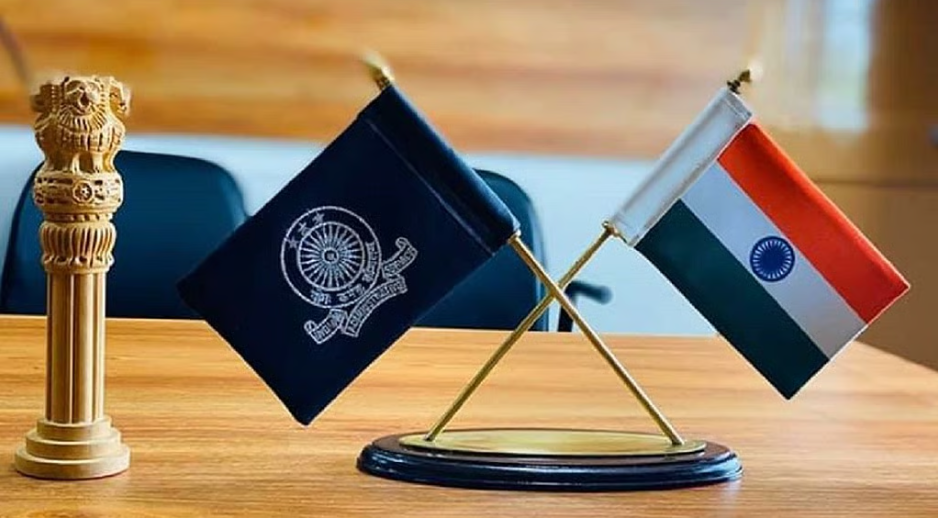
What is the Salary of an IAS Officer in India? The salary of an IAS officer is one of the most frequently searched topics among UPSC aspirants. Many students are curious not only about the prestige of the position but also about the financial stability and long-term benefits that come with it. As per the 7th Central Pay Commission, the starting basic salary of an IAS officer is ₹56,100 per month. However, this figure does not include allowances and additional benefits, which significantly increase the overall in-hand income. An IAS officer’s salary increases steadily with promotions and years of service. At the highest level, such as the Cabinet Secretary of India, the salary can reach ₹2,50,000 per month, which is the maximum pay scale for a government employee in India. Detailed IAS Salary Structure (Post-wise Explanation) An IAS officer begins their career as a Sub-Divisional Magistrate (SDM) or Assistant Collector. At this level, the basic pay is ₹56,100 per month. As the officer gains experience and receives promotions, they move to positions such as District Magistrate (DM) or Collector, where the basic pay ranges between ₹78,800 and ₹1,18,500. With further promotions, an IAS officer can become a Divisional Commissioner, Principal Secretary, Chief Secretary, or even Cabinet Secretary. At these senior-most levels, the salary ranges between ₹1,44,200 and ₹2,50,000 per month. Therefore, the IAS salary is not static; it grows with responsibility, performance, and seniority. Allowances and Additional Benefits of an IAS Officer In addition to the basic salary, IAS officers receive several allowances that substantially increase their monthly earnings. These include Dearness Allowance (DA), House Rent Allowance (HRA), and Travel Allowance (TA). Depending on the posting location, the total in-hand salary can range from ₹70,000 to over ₹2,00,000 per month. Beyond financial allowances, IAS officers are provided with government accommodation, official vehicles, security personnel, domestic staff, medical facilities, pension benefits, and post-retirement security. These benefits make the IAS career financially stable and socially prestigious. Is IAS Only About Salary? Although the IAS salary is attractive, most serious aspirants are drawn to the service because of the authority, impact, and responsibility associated with the role. An IAS officer directly participates in policy implementation, district administration, and national development. The power to make decisions that impact lakhs of citizens is what truly defines the IAS career. How to Become an IAS Officer? To become an IAS officer, a candidate must clear the Civil Services Examination conducted annually by the Union Public Service Commission (UPSC). The exam consists of three stages: Preliminary Examination, Mains Examination, and the Personality Test (Interview). The competition is intense, and the success rate is extremely low. Therefore, systematic preparation, strong mentorship, and structured guidance are essential. At PM IAS Academy, we prepare students not only to clear the examination but to secure top ranks through disciplined training, answer-writing practice, and strategic revision planning. If your goal is to earn the IAS salary and serve the nation with dignity, your preparation must begin with the right guidance.